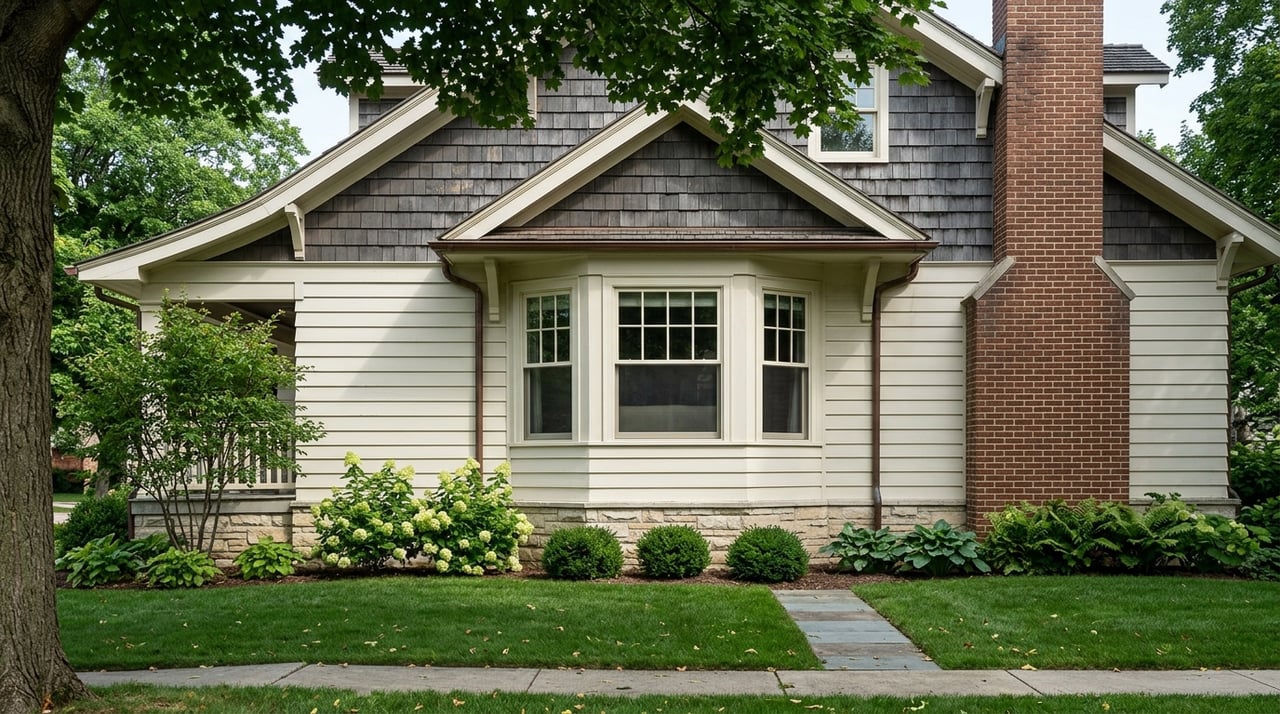
If you have your eye on a historic home in Excelsior, you already know the appeal is hard to match. These homes offer character, location, and a sense of place that newer properties often cannot recreate. The challenge is that when the right one hits the market, you may need to act fast and smart. This guide will help you understand what makes historic-home buying different in Excelsior and how to compete with confidence. Let’s dive in.
Why historic homes draw strong demand
Excelsior has limited inventory, and that matters even more when you are shopping for a distinctive older home. Realtor.com reported 93 homes for sale in April 2026, while Zillow showed 6 homes for sale on May 31, 2026. The numbers differ by source and timing, but both point to a tight supply of available homes.
That limited inventory can make the market feel competitive, even when broad market summaries do not label it as an extreme seller’s market. Realtor.com also reported a median listing price of $1.685 million, a median of 46 days on market, and an average 100% sale-to-list ratio. In plain terms, buyers are often competing for a small number of highly specific properties, not choosing from a large pool of similar homes.
For historic homes, that pressure can be even stronger. Buyers are not just comparing square footage or finishes. They are often responding to architecture, walkability, setting, and the kind of charm that is difficult to duplicate.
What “historic” means in Excelsior
In Excelsior, a home is not considered historic just because it looks old. The city has an active preservation framework that includes individual Heritage Preservation Sites and the Excelsior Downtown Historic District. According to the city, the downtown district includes 74 structures and one site, with 59 structures plus the Port of Excelsior classified as contributing to the district’s historic character.
That distinction matters because different properties may come with different rules. Some homes are designated sites. Others may be contributing buildings in the historic district. Still others may simply be older homes with no local designation at all.
Before you write an offer, it is worth confirming exactly how the property is classified. That status can affect your renovation plans, approval timeline, and future costs.
Why preservation status matters to buyers
If a home is a designated Heritage Preservation Site, significant exterior changes require a Site Alteration Permit. The city says that permit is reviewed by the Heritage Preservation Commission and approved by City Council. Starting work before approvals are in place can lead to delays and extra expense.
The good news is that interior changes are treated differently. Excelsior’s FAQ states that a Site Alteration Permit is only required for exterior changes to the building. If you are planning updates inside the home, that may give you more flexibility than you expected.
This is one of the biggest reasons due diligence matters before you buy. A home that looks like the perfect project may still be the right fit, but you need a clear picture of what will be simple, what will take time, and what will require city review.
Ask these questions before you offer
When you find a historic or historic-looking home in Excelsior, ask a few key questions early:
- Is the property a designated Heritage Preservation Site?
- Is it a contributing building in the Downtown Historic District?
- Is it a noncontributing building in the district?
- Are there known exterior changes that may require a Site Alteration Permit?
- If you want to renovate after closing, what approvals might affect your timeline?
These questions can save you time and help you avoid assumptions. They also make your planning more realistic if you hope to update the property soon after closing.
Build your financing plan early
In a competitive market, financing readiness can shape how seriously a seller takes your offer. A preapproval letter tells a seller that a lender is tentatively willing to lend up to a certain amount, and sellers often want to see one before accepting an offer.
Preapproval timing matters too. The CFPB notes that preapproval letters often expire in 30 to 60 days. If you are actively looking in Excelsior, make sure your letter is current and your supporting documents are easy to update quickly.
The CFPB also recommends asking at least three lenders for preapproval so you can compare options and official Loan Estimates. That extra prep can help you move faster when the right property appears and make more informed financing decisions.
Know the limits of buyer assistance programs
Some buyers may look to Minnesota Housing for help with loan programs or down payment and closing cost assistance. The agency states that eligible borrowers may access down payment and closing-cost loans of up to $18,000. It also lists purchase-price caps up to $659,550 for Start Up and Step Up programs in the 11-county metro area.
That is an important detail in Excelsior. With Realtor.com reporting a median listing price of $1.685 million in April 2026, many homes in this market will fall above those caps. If you hope to use a program like this, verify your eligibility early rather than building your plan around assistance that may not apply to the home you want.
Winning takes more than a high number
Price matters, but it is rarely the only thing that makes an offer strong. In a market with limited inventory and homes selling near asking, sellers often respond well to buyers who look prepared, organized, and realistic.
That usually means:
- A recent preapproval letter
- Clear financial documentation
- A lender who can move quickly
- Terms that match the seller’s timeline when possible
- A due diligence plan that protects you without creating avoidable friction
Historic homes add another layer because age, condition, and preservation rules can affect the transaction. A clean offer is helpful, but a well-prepared buyer can be just as persuasive.
Inspect older homes with a sharper lens
A historic home can be beautifully maintained and still need careful evaluation. The CFPB recommends scheduling an independent home inspection as soon as possible after choosing a home so you have time to address issues. It also notes that a home inspection is different from an appraisal.
For older homes, inspections are not just a formality. They help you understand the true condition of the property and whether any repairs could affect financing or closing. If major work is needed, a lender may require repairs before closing or require funds to be set aside.
In Excelsior, where older homes often carry premium pricing, this step is especially important. You want to know whether you are buying charm with solid fundamentals or charm with a longer repair list than expected.
Key older-home issues to review
A few issues deserve extra attention when you are considering a historic or older home:
- Lead-based paint: The EPA says homes built before 1978 are more likely to contain lead-based paint. Buyers of most pre-1978 homes have a right to know about known lead-based paint and lead hazards before signing.
- Asbestos: Minnesota Health says older homes may contain asbestos. If material is damaged or may be disturbed during renovation, testing by a certified asbestos inspector is recommended.
- Radon: Minnesota Health recommends that every Minnesota home be tested for radon.
- Roofs and exterior openings: University of Minnesota Extension notes that flashing, windows, doors, and other wall penetrations can contribute to water intrusion, energy loss, comfort issues, and durability problems.
- Electrical, plumbing, and other aging systems: Older housing stock can come with practical repairs that cost far more than cosmetic updates.
These items do not mean you should avoid an older home. They mean you should go in with your eyes open and your budget grounded in reality.
Budget for preservation-friendly repairs
Owning a historic home often means balancing updates with care for the home’s original character. That can affect both cost and timing, especially if exterior work requires city review.
The city does offer some local incentives that may help offset part of the cost. Excelsior states that it provides a 50% reduction in building permit fees for improvements to landmark properties and a 25% reduction for contributing buildings in the Downtown Historic District. That will not erase renovation costs, but it is still useful to factor into your planning.
It is also important not to assume every historic-looking home qualifies for the same tax benefits. The research shows that owner-occupied residential properties do not qualify for the federal Historic Preservation Tax Incentives program, and Minnesota’s Historic Structure Rehabilitation Credit requires certification before work starts. If incentives matter to your decision, confirm what applies before you close and certainly before any work begins.
Plan your timeline beyond closing day
With historic homes, the real timeline often extends well past the closing table. If your first goal is to repaint, replace windows, alter the exterior, or make structural changes, city review may affect when that work can start.
Excelsior’s materials make clear that approvals should be in place before work begins. They also note that timing can shift when review by the Heritage Preservation Commission, Planning Commission, or City Council is required. For you, that means the smartest plan is to evaluate both the house and the likely permitting path before making commitments to contractors or move-in dates tied to renovations.
Why local guidance matters in Excelsior
Buying a historic home here is not only about finding a beautiful property. It is about understanding inventory, timing, preservation status, inspection risks, and the realities of post-closing work. In a market where homes can sell near asking and supply remains limited, that coordination can matter as much as price.
This is where local experience becomes practical, not just nice to have. You want someone who knows which questions to ask, how to spot potential timeline issues early, and how to help you compete without losing sight of the bigger picture.
The right historic home in Excelsior can be an exceptional purchase. With strong financing, thoughtful due diligence, and a clear plan for ownership, you can pursue these one-of-a-kind homes with more confidence and fewer surprises. If you are thinking about buying in Excelsior, Kristi Weinstock can help you build a smart strategy from the start.
FAQs
What makes a home historic in Excelsior?
- A home may be a designated Heritage Preservation Site, a contributing building in the Excelsior Downtown Historic District, or simply an older home with no local designation, and that classification affects what rules may apply.
Do historic homes in Excelsior have renovation restrictions?
- Exterior changes to designated Heritage Preservation Sites require a Site Alteration Permit, while Excelsior’s FAQ says interior changes do not require that permit.
Is Excelsior a competitive market for historic homes?
- Yes, limited inventory, premium pricing, and strong demand for distinctive character homes can make Excelsior feel competitive even when broad market summaries appear more balanced.
What should buyers inspect in an older Excelsior home?
- Buyers should pay close attention to lead-based paint, asbestos, radon, roofs, flashing, windows, doors, electrical systems, plumbing, and other aging components.
Are there preservation incentives for historic properties in Excelsior?
- Yes, the city says landmark properties may qualify for a 50% reduction in building permit fees, and contributing buildings in the Downtown Historic District may qualify for a 25% reduction.
Can buyers use Minnesota Housing programs in Excelsior?
- Some buyers may qualify, but many Excelsior homes are priced above Minnesota Housing purchase-price caps, so it is important to verify eligibility early.
