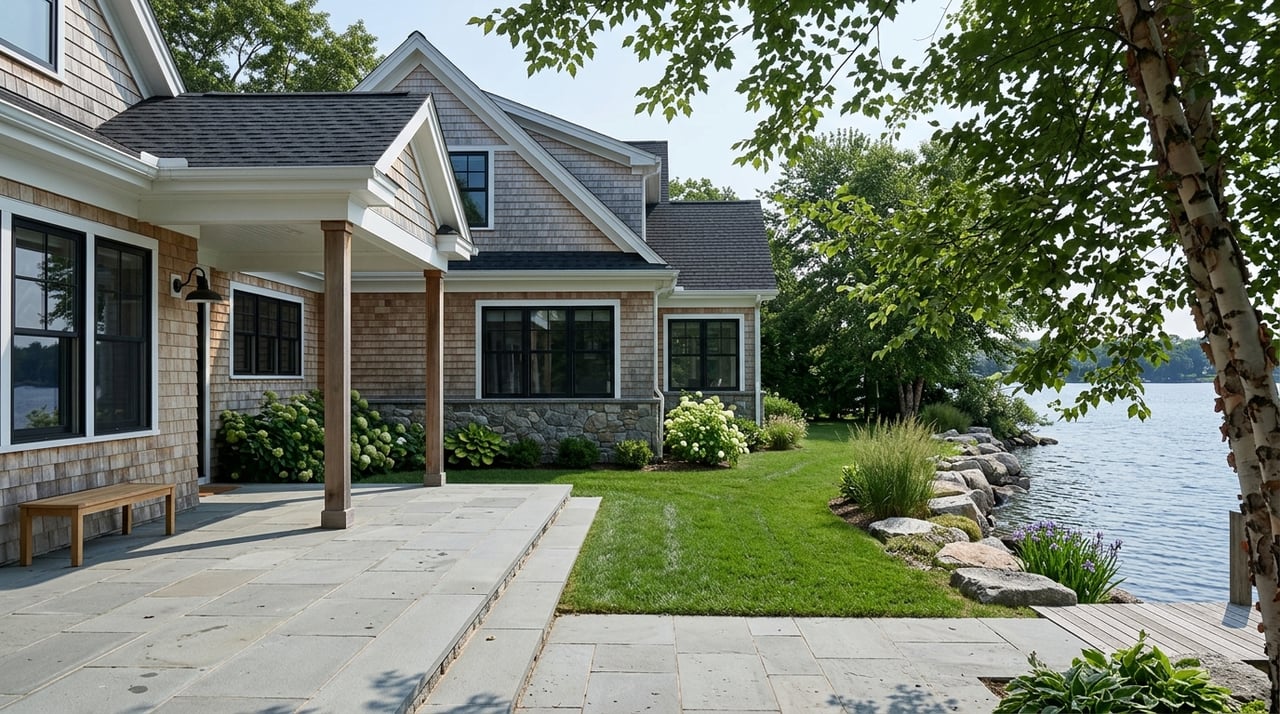
Wondering what “lake-linked” living in Minnetonka actually feels like day to day? For many buyers, it is less about owning shoreline and more about having easy access to water, trails, parks, shopping, and commuter routes that make life feel both active and practical. If you are considering a move to Minnetonka, this guide will help you understand how these neighborhoods function in everyday life and what makes them appealing. Let’s dive in.
What lake-linked means in Minnetonka
In Minnetonka, lake-linked living usually means you are connected to the water without necessarily living directly on it. The city has public access points, marina options, beaches, and trail systems that let you enjoy the area’s outdoor lifestyle as part of your regular routine.
That distinction matters if you want the feel of the Lake Minnetonka area without limiting your search only to waterfront homes. In many cases, the value comes from a short drive or predictable route to the lake, plus access to parks, open space, and everyday conveniences.
Why Minnetonka feels outdoors-oriented
Minnetonka is a fully developed suburb of more than 53,000 residents located about eight miles west of Minneapolis. Even with that established suburban setting, the city describes itself as a place shaped by trees, wetlands, prairies, and water.
More than 20 percent of Minnetonka’s land area is wetlands and lakes. The city also maintains five community parks, 44 neighborhood parks, more than 100 miles of trails, and 1,000 acres of natural public open space. For you, that often translates into a neighborhood experience that feels green, settled, and easy to enjoy year-round.
Lake Minnetonka access for daily life
Lake Minnetonka is the area’s signature amenity. According to the Lake Minnetonka Conservation District, the lake spans 14,500 acres and includes a network of public accesses, marinas, beaches, and 20 bridges around the shoreline.
If you live in Minnetonka, two notable public launch points are Gray’s Bay Public Access and Marina and Carson’s Bay boat ramp. Hennepin County Sheriff’s water patrol lists both as public Lake Minnetonka launches in Minnetonka, which gives residents practical ways to get on the water without private shoreline.
Gray’s Bay is especially important in the local lifestyle conversation. The city says the marina includes three launch lanes, trailer parking, permanent slips, and a seasonal operating window. The city also notes that its separate boat-slip program is limited to Minnetonka residents, which can be a meaningful advantage if boating is a regular part of your routine.
Waterfront feel without waterfront ownership
One of the most useful things to understand about Minnetonka is that appealing lake-adjacent living does not always come with direct water privileges. Some buyers assume that enjoying Lake Minnetonka means buying on the shoreline, but that is only one version of the lifestyle.
In practice, many residents enjoy the lake through public launches, marina access, beaches, and nearby lakefront public spaces. If you want flexibility, lower maintenance, or a broader range of home styles and price points, this can open up more options while still keeping the lake close to everyday life.
Parks that shape neighborhood living
Minnetonka’s park system adds a lot to the feel of its lake-linked neighborhoods. These are not just scenic extras. They help shape how you spend weekends, get outside after work, and connect daily life to the area’s natural setting.
Lone Lake Community Park and Preserve in the southeast offers shore-and-dock views of Lone Lake, expansive open space, and nearly two miles of formal trails. It is the kind of place that can make a nearby neighborhood feel more connected to the outdoors even when you are not heading to Lake Minnetonka itself.
Purgatory Community Preserve, located in the southwest, is the city’s largest community park. It includes more than two miles of formal trails and views of wetlands, woodlands, and prairies. If you value quiet walking routes, natural scenery, and open space close to home, parks like this become part of the everyday appeal.
Trails support a four-season lifestyle
Minnetonka’s outdoor lifestyle is not limited to summer. The Lake Minnetonka Regional Trail runs about 15.8 miles between Hopkins and Carver Park Reserve and passes through Minnetonka, giving residents another strong recreational connection.
Several communities along the route plow portions of the trail in winter. That helps support year-round use, whether you are walking, running, or simply looking for an easy way to stay active close to home.
The city also maintains about 90 miles of sidewalks and running, biking, and walking trails. Combined with neighborhood parks and open space, that network helps make outdoor access feel built into everyday living rather than reserved for weekends.
Water amenities beyond the main lake
Lake-linked living in Minnetonka also includes smaller-scale recreation close to home. Shady Oak Beach is one example that adds another layer to the city’s lifestyle appeal.
The city describes Shady Oak Beach as an 85-acre recreation area with 76 feet of sandy shoreline, lifeguards, rentals, and seasonal passes. It is owned by Hopkins but operated by Minnetonka Recreation, giving residents a local option for warm-weather recreation that feels easy and family-friendly.
Everyday convenience matters too
A neighborhood can have beautiful water access, but daily convenience still matters. Minnetonka stands out because its lake-linked areas are still tied closely to practical shopping, errands, and services.
Ridgedale Center is the city’s main retail hub. The mall highlights shopping, dining, a children’s play area, and events, making it a central anchor for everyday errands and casual outings.
That balance is a big part of Minnetonka’s appeal. Instead of feeling like a resort market disconnected from normal routines, it feels like an established suburb where outdoor amenities and practical convenience work together.
Commuting from Minnetonka
If you work in Minneapolis or need regional access, commuting options are part of the equation. Minnetonka supports several different approaches, depending on how you prefer to travel.
The city lists local and express Metro Transit bus service to downtown Minneapolis and beyond. Local routes include 9, 12, 612, 615, and 645, while express routes include 663, 664, 667, and 670. The city also identifies park-and-ride access at I-394 and Hopkins Crossroad and at I-394 and Plymouth Road.
For drivers, Minnetonka’s street network provides practical regional access. The city says its state highways include I-394, I-494, Highway 7, and Highway 169, and it maintains more than 250 miles of streets. If you want a location that supports a car-based routine while still offering transit options, Minnetonka checks that box.
What to look for in lake-linked neighborhoods
If you are comparing neighborhoods in Minnetonka, it helps to think beyond the words “near the lake.” The better question is how a location supports the way you actually want to live.
Here are a few smart things to evaluate:
- Drive time to Gray’s Bay or Carson’s Bay public launch
- Proximity to trails, parks, and open space
- Access to Ridgedale and other daily errands
- Commuting routes to Minneapolis and nearby suburbs
- Whether you want a waterfront property or simply convenient access to lake amenities
- How often you expect to use beaches, marinas, walking trails, or recreation areas
A strong fit often comes from the full combination of these features. The best neighborhood for you may be the one that makes your weekday routine easier while still giving you quick access to the outdoor lifestyle that drew you here in the first place.
Who Minnetonka often suits best
Minnetonka can appeal to a wide range of buyers because it offers both lifestyle and practicality. If you want outdoor access without giving up shopping, commuter convenience, and an established suburban setting, it is easy to see why this market stays attractive.
You may be especially drawn to Minnetonka if you want:
- A suburban location with strong connections to water and nature
- Access to Lake Minnetonka without requiring direct shoreline ownership
- A mix of trails, parks, beaches, and recreation options
- A realistic commute to Minneapolis
- A polished, established community with mature green space and everyday amenities
The bigger picture on Minnetonka living
Minnetonka’s lake-linked neighborhoods are best understood as established suburban pockets connected to boating, parks, trails, and retail. That combination gives the city a lifestyle edge without making everyday life feel seasonal or inconvenient.
For many buyers, that is exactly the sweet spot. You get access to Lake Minnetonka and a strong outdoor setting, but you also get the structure of a full-service suburb with shopping, transportation options, and neighborhood-scale parks woven throughout the city.
If you are exploring Minnetonka and want help narrowing down which areas best match your lifestyle, commute, and home goals, Kristi Weinstock offers thoughtful, hyper-local guidance across the Lake Minnetonka corridor.
FAQs
What does lake-linked living in Minnetonka mean?
- It usually means living with convenient access to Lake Minnetonka, parks, trails, beaches, or marina facilities without necessarily owning a waterfront home.
Where can you launch a boat in Minnetonka?
- Public Lake Minnetonka launch points in Minnetonka include Gray’s Bay Public Access and Marina and Carson’s Bay boat ramp.
Does Minnetonka have resident-only boat benefits?
- Yes. The city says the separate boat-slip program at Gray’s Bay Marina is limited to Minnetonka residents.
What parks support everyday outdoor living in Minnetonka?
- Lone Lake Community Park and Preserve and Purgatory Community Preserve are two notable examples, offering trails, open space, and natural views.
Is Minnetonka only a summer lifestyle market?
- No. The city’s trail system, park network, and the Lake Minnetonka Regional Trail support outdoor activity beyond the summer months.
How do people commute from Minnetonka to Minneapolis?
- Common options include driving via I-394, I-494, Highway 7, or Highway 169, as well as using local or express Metro Transit bus service and park-and-ride locations.
Where do Minnetonka residents handle shopping and errands?
- Ridgedale Center is the city’s main retail hub and serves as a central destination for shopping, dining, and everyday convenience.
