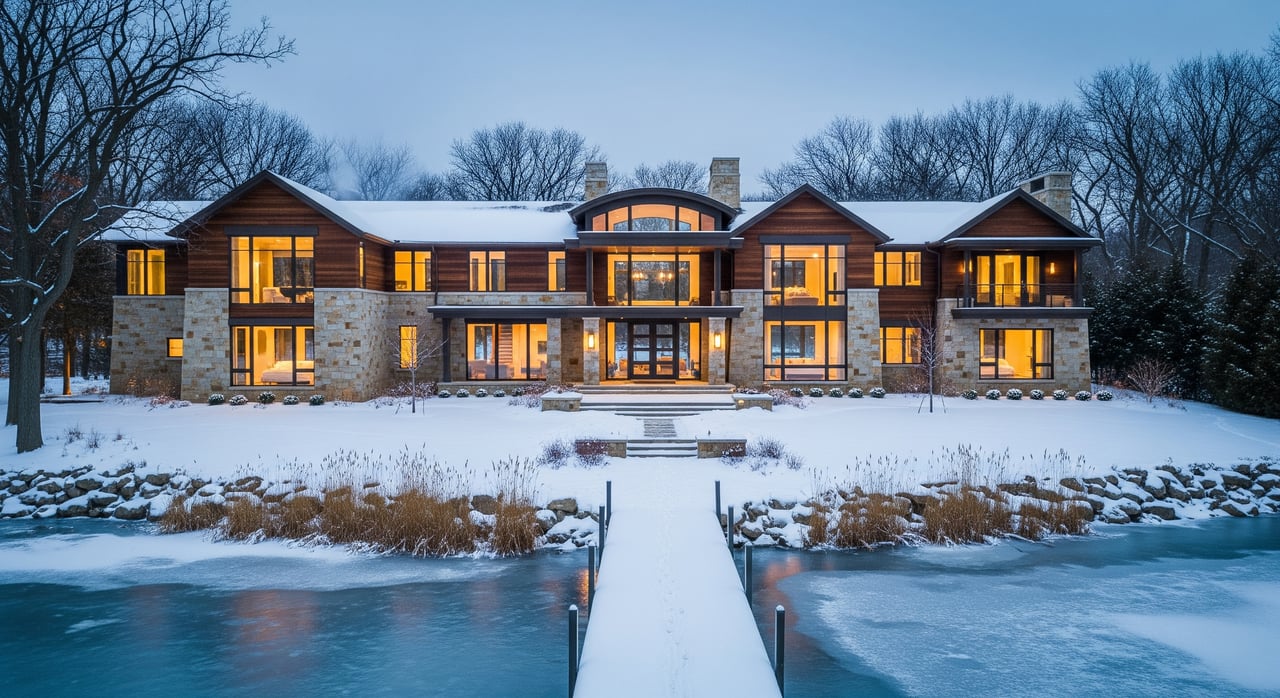
Thinking about selling when the snow flies and the lake freezes? You’re not alone. Many Mound homeowners wonder if winter is the wrong time to list, especially around Lake Minnetonka. The truth is, homes do sell in winter in Minnesota, and you can succeed with the right strategy. In this guide, you’ll learn how the winter market behaves, what is unique about lake-area listings, and how to price, prep, and present your home for a confident sale. Let’s dive in.
Winter home sales: what to expect
Minnesota real estate follows a clear seasonal rhythm. Activity usually peaks in spring and slows in late fall and winter. That means fewer new listings and fewer active buyers from November through February. At the same time, winter buyers are often more motivated due to relocation, job changes, or life events.
For you as a seller, that shift has upsides and tradeoffs:
- Less competition. With fewer homes on the market, your listing can stand out.
- Smaller buyer pool. You may see fewer showings but more serious inquiries.
- Timing and pricing. Average sale prices often trend higher in spring in many markets. In winter, price competitively relative to recent local comps.
- Local data matters. Conditions can vary year to year based on interest rates, inventory, and jobs. Recent NorthstarMLS and Minnesota Realtors reports help set realistic expectations.
Bottom line: Winter sales happen in Minnesota, but they run on a different tempo. Position your home with a winter-aware plan and clear value.
Mound and Lake Minnetonka dynamics
Lake-area properties behave differently from typical suburban homes. In Mound, buyers often care about year-round access and winter-ready features as much as summer amenities.
Winter behavior on the lake
- Buyer profiles. Some lake buyers plan year-round use and shop even in winter. Others want to avoid spring bidding wars and find value in a quieter market.
- What shows well in snow. Beaches, docks, and landscaping can be hidden or less appealing under snow. Heated garages, mudrooms, efficient HVAC, fireplaces, and year-round lake access become strong selling points.
- Inspections and access. Frozen conditions can change how inspectors evaluate shoreline elements. Buyers will look for documentation on dock removal, storage, and any past ice-related issues.
Documentation and disclosures
Be proactive with winter specifics. For waterfront homes, gather:
- Dock and lift removal details, storage arrangements, and any winterization steps.
- Maintenance records for HVAC, fireplaces, and heat tape or insulation used for ice dam prevention.
- Shoreline permits or records and any guidance from the Lake Minnetonka Conservation District.
- Local permitting or public works notes from the City of Mound that affect winter access or maintenance.
Clear documentation builds trust and reduces last-minute questions.
List now or wait for spring?
There is no one-size-fits-all answer. Use this quick framework:
Reasons to list in winter:
- You have a life-timing need like a relocation or major change.
- Your home shines with winter-ready features such as a heated garage, updated furnace, or winterized dock.
- You want to avoid heavier spring competition and capture motivated buyers now.
- You can offer flexible possession to meet a buyer’s timeline.
Reasons to wait until spring:
- You can wait and prefer larger buyer traffic and typically stronger spring pricing.
- Your home’s value leans on curb appeal, gardens, or beach and outdoor living.
- You prefer multiple-offer dynamics and more foot traffic.
If you are unsure, ask for recent NorthstarMLS data for Mound, plus a 12-month view of lake-neighborhood trends. That snapshot often makes the choice clear.
Pricing and timing strategy
Use seasonal comps
Price with the last 30 to 60 days of local comps, adjusted for winter activity. Plan for potentially longer days on market compared to spring and build that into your move timeline.
Incentives buyers value
If you need to boost appeal, consider buyer-focused incentives instead of immediate price cuts:
- A home warranty for the first year
- A closing-cost credit or rate-buydown assistance arranged with a preferred lender
- Flexible closing or short rent-back
- Pre-paid driveway plowing or snow removal through the end of the season
These add convenience and can tip decisions for motivated winter buyers.
Financing and holidays
Mortgage processing and title work run year-round, but holiday weeks can slow inspections and appraisals. Set realistic target dates and build in a little buffer around major holidays.
Winter show-ready checklist
Make it safe, bright, and warm. Highlight the features that matter most in winter.
Exterior and curb appeal
- Clear and de-ice all walkways, steps, and the driveway before showings.
- Keep a boot scraper and mat by the door. Brush snow off railings and the front door.
- Use warm, bright exterior lighting and add path lights for shorter days.
- If safe, remove heavy snow overhangs. Show ice dam prevention measures like heat tape or recent insulation work.
Interior comfort and staging
- Set the temperature to a comfortable 68 to 72°F before showings.
- Stage an appealing entry or mudroom with storage for boots and coats.
- Layer lighting with overhead, task, and accent fixtures. Use warm bulbs and replace any burned-out bulbs.
- Protect flooring with runners and rugs where wet shoes land. Keep towels handy for quick touch-ups.
- Keep scents light and neutral. Air out the home beforehand.
- Call out winter amenities in your materials: new furnace, efficient HVAC, functional fireplace, radiant floors, or a heated garage.
Photos and marketing assets
- Aim for clear-day exterior photos when possible. If snow is heavy, consider showcasing floor plans, virtual staging, or pre-snow aerials that show lot lines and lake proximity.
- Use 3D tours and video walkthroughs to help out-of-town or weather-averse buyers engage from home.
- In listing copy, highlight winter readiness and any arranged services like snow removal.
Safety and access tips
- Provide shoe covers and ask visitors to remove footwear.
- Leave lights on and make sure handrails are clear and grippy.
- For lake homes, include a simple one-page note explaining dock removal, lift storage, and any winter use precautions. Reference guidance from the Lake Minnetonka Conservation District and Minnesota DNR as needed.
Common winter inspection items
Prepare for a few seasonal checkpoints and have records ready:
- Ice dam history and prevention steps
- Roof snow load considerations and any past mitigation
- Furnace service records and filter changes
- Plumbing winterization, sump pump function, and exterior spigots
- Garage door sensors and safety checks
- Shoreline work, permits, and any notes on ice-related wear near docks
Sharing documentation upfront reduces surprises and speeds negotiation.
Next steps
Winter is a perfectly workable season to sell in Mound. The key is aligning pricing with recent local data, presenting strong winter-ready features, and making showings effortless and safe. With local expertise around Lake Minnetonka, concierge marketing, and a smooth process from prep to closing, you can meet the moment and move on your timeline.
Ready to talk strategy for your home and timing? Connect with Kristi Weinstock to map out a winter or early spring plan that fits your goals. Schedule a complimentary consultation.
FAQs
Do homes actually sell in winter in Mound?
- Yes. Winter brings fewer listings and fewer buyers, but the buyers who are active are often motivated, and well-prepared homes sell.
Are winter sale prices lower around Lake Minnetonka?
- In many markets, average prices trend higher in spring. In winter, pricing should reflect recent local comps and current inventory.
How long does it take to sell in winter?
- Expect potentially longer days on market than spring, and plan your timeline with recent NorthstarMLS activity for Mound.
Should I list a lake home if my dock is out?
- Yes, if you highlight winter features and provide clear documentation on dock removal, storage, and shoreline maintenance.
Are winter photos a mistake for lake properties?
- Not if done well. Use clear-day exteriors, strong interior lighting, and consider floor plans, virtual tours, and pre-snow aerials.
What incentives work for winter buyers?
- Practical perks like a home warranty, closing-cost credit, flexible closing, or pre-paid snow removal can be compelling.
Can inspections and appraisals be reliable in winter?
- Yes. Inspectors adjust for conditions and focus on systems and structure. Provide maintenance records to fill seasonal gaps.
