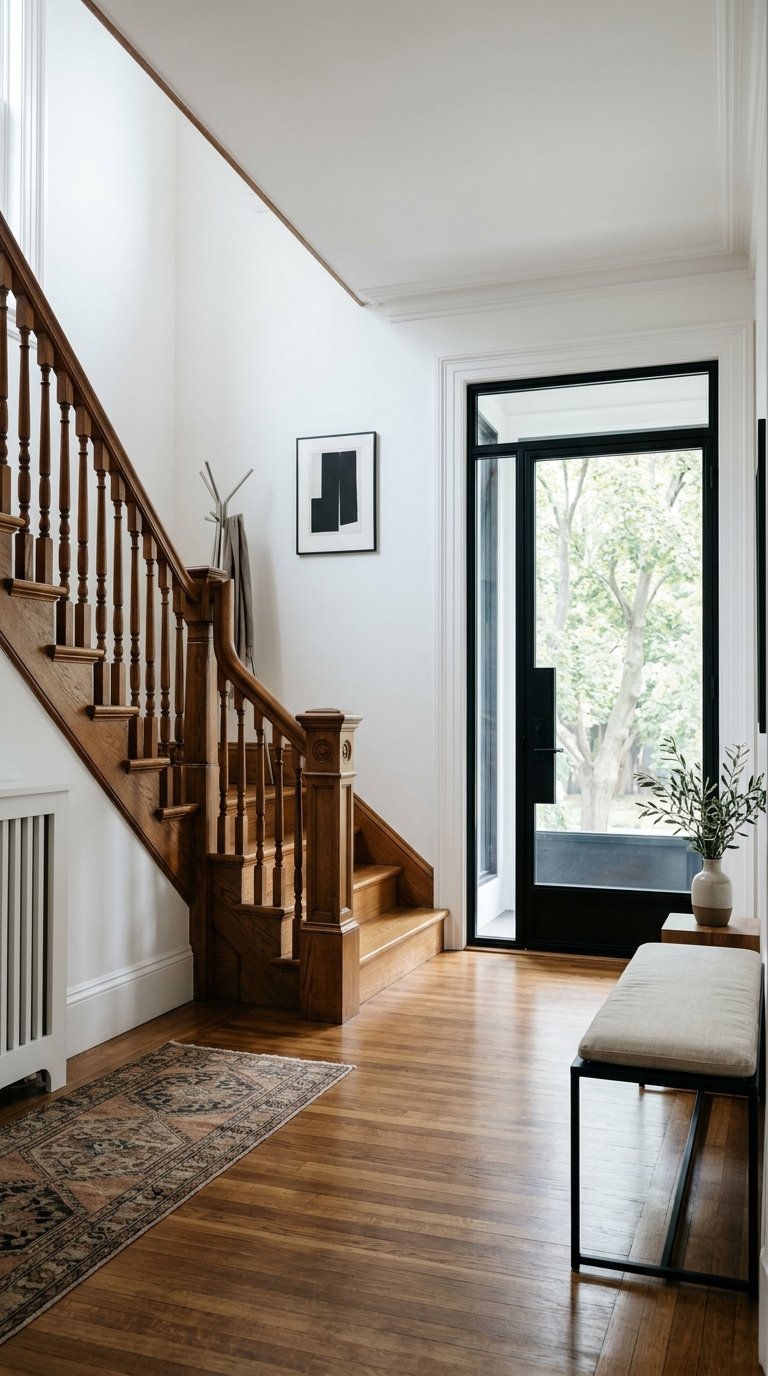
If you are deciding between a historic estate and a newer home in Deephaven, you are really choosing between two different kinds of value. One offers legacy, character, and often an irreplaceable setting. The other may offer newer finishes and fewer immediate repair questions, but in Deephaven, even newer homes come with important site and zoning considerations. This guide will help you compare both paths so you can buy with more clarity and confidence. Let’s dive in.
Why home era matters in Deephaven
Deephaven is not a place where square footage tells the whole story. The city grew from a late-19th-century Lake Minnetonka resort community, and that history still shapes how homes are valued today.
Land, lake proximity, and setting often matter just as much as the house itself. The city’s points and peninsulas overlooking the lake remain some of the most sought-after home sites, which means buyers are often weighing site quality, privacy, and long-term renovation potential along with the home’s interior appeal.
Deephaven is also a small, mostly residential community with 3,793 residents and 1,599 housing units, according to 2024 ACS data cited by the city. About 88.8% of the housing stock is detached single-family homes, and about 89.3% of occupied units are owner-occupied, which helps explain why homes here often feel tightly held and highly individualized.
What historic estates offer
Historic estates and turn-of-the-century homes are a major part of Deephaven’s identity. Landmark properties such as Northome, Chimo, and Walden reflect the city’s early resort-era roots and help explain why older homes here often carry such strong visual presence.
If you love architecture, mature landscaping, and settings that cannot easily be recreated, these homes can be especially compelling. In many cases, the appeal comes from a combination of shoreline context, lot position, established trees, and original design details.
That said, character and scarcity often come with more complexity. Older homes are the most likely to raise questions about mechanical systems, permit history, prior additions, and the true scope of future renovation work.
Benefits of a historic estate
A historic Deephaven home may be the right fit if you value:
- Distinctive architecture and period details
- Mature landscaping and established lot character
- Irreplaceable settings near the lake
- Long-term scarcity value tied to location and era
For many buyers, that mix creates an emotional connection that newer construction cannot fully match. In a market like Deephaven, where setting is central to value, that can matter a great deal.
Tradeoffs to plan for
Older homes usually require deeper due diligence before you commit. In Deephaven, permit history is available only by requesting the house file at City Hall, and most structures require permits and must conform to setback rules.
That makes a house-file review especially important if you are considering a remodel or addition after closing. A home may look well cared for, but unpermitted work, nonconforming setbacks, or outdated systems can change your budget and plans quickly.
For pre-1978 homes, lead-based paint is more likely to be present, and renovation work that disturbs paint must be handled by lead-safe certified contractors. For homes built before 1980, some building materials may also contain asbestos, so it is smart to treat remodeling as a technical project, not just a cosmetic update.
What newer homes offer
Newer custom homes appeal to buyers who want a more current layout, newer materials, and less deferred maintenance in the near term. If you prefer move-in-ready living, newer construction can feel simpler and more predictable at first glance.
But in Deephaven, newer does not always mean easy. New construction is limited, and the city reported that only 46 homes were built over the past four years, averaging 11.5 per year. In 2024, just 7 homes were built, with an average valuation of $1,313,500 excluding lot cost.
That limited supply can make newer homes feel especially competitive when they come to market. It also means many newer homes are shaped heavily by the constraints of the lot and the city’s building rules.
Benefits of a newer home
A newer Deephaven home may be a better fit if you want:
- More current floor plans and finishes
- Fewer immediate age-related repair concerns
- Better alignment with modern day-to-day living
- Less need for near-term renovation planning
For some buyers, that peace of mind is worth a premium. If you want to spend your time enjoying Lake Minnetonka rather than managing projects, newer construction can be very appealing.
Tradeoffs to plan for
A newer home still needs careful analysis in Deephaven because site fit matters so much. In 2024, 2 of the city’s 7 newly built homes required variances, which shows that even recent construction can push against local rules.
Deephaven’s zoning standards are restrictive enough that lot size, frontage, and building envelope often shape what can be done with a property. In residential districts, minimum lot sizes range from 20,000 square feet in R-3 to 60,000 square feet in R-1, and maximum ground coverage is also capped by district.
In shoreland areas on Lake Minnetonka, new lots must meet frontage standards and a 100-foot ordinary high-water-line setback. That means a beautiful newer home may still come with limitations on future additions, accessory structures, or site changes.
Where mid-century homes fit in
If you feel torn between historic and new, a mid-century home may offer a practical middle ground. Deephaven’s median construction year is 1969, and a large share of the city’s homes were built in the postwar decades.
That matters because mid-century homes are not niche inventory here. They are a core part of the local housing mix and often offer established neighborhoods, mature lots, and layouts that can be more adaptable than much older homes.
You still want to review mechanical systems, prior additions, and later remodels carefully. But for some buyers, these homes strike the best balance between setting, usability, and renovation scope.
How to compare homes the right way
In Deephaven, comparing homes by citywide median price alone can be misleading. Recent snapshots show a March 2026 median sale price of $2.7 million from Redfin, while Realtor.com reported a March 2026 median listing price of $2.395 million, with 30 homes for sale, a 98% sale-to-list ratio, and a median of 77 days on market.
Those numbers are useful for context, but they should be treated as directional because the market is small and skewed toward luxury properties. A better approach is to compare homes by era, lot quality, water access, condition, and expected capital needs over the next 5 to 10 years.
Questions to ask when comparing an older home
Use these questions to sharpen your analysis:
- How much of the home’s value comes from the setting versus the structure?
- What do the permit records and survey reveal?
- Are there signs of unpermitted additions or older nonconforming features?
- What systems may need replacement in the next several years?
- If you remodel, what hazards or code-related issues could affect cost?
This kind of review helps you understand the real cost of ownership, not just the purchase price. In Deephaven, that distinction matters.
Questions to ask when comparing a newer home
A newer property deserves its own checklist:
- Does the house fully conform to current setback and coverage rules?
- Were any variances required for the build?
- How does grading and stormwater handling affect the site?
- Is the lot large enough to support your future plans?
- Does the layout make the most of the setting and privacy?
A newer home can feel turnkey, but the lot still drives many long-term decisions. That is especially true in a lake community with tight development standards.
Utilities and site details buyers should not skip
Deephaven is fully sewered, which removes one major layer of uncertainty that buyers sometimes face in other lake communities. However, the city says most homes still rely on private wells, while sewer and stormwater charges are billed quarterly.
That makes water-source review an important part of your due diligence. Depending on the parcel and neighborhood, well equipment and water service details may still influence maintenance planning and ownership costs.
Which choice is right for you?
If you are drawn to heritage, privacy, and one-of-a-kind surroundings, a historic estate may be the better match. These homes often offer the kind of presence and setting that are hard to reproduce in today’s market.
If you want lower near-term maintenance, current design, and a more predictable day-to-day living experience, a newer custom home may be a better fit. Just remember that in Deephaven, even newer properties should be evaluated through the lens of lot constraints, zoning, and future flexibility.
For many buyers, the best decision comes down to how you want to spend your time and money over the next several years. Do you want to preserve and personalize a property with history, or do you want a home that feels more ready from day one?
The right answer is rarely just about age. In Deephaven, the smartest choice usually comes from understanding the relationship between the house, the lot, and the long-term plan.
If you want help weighing character, condition, lot value, and future options in Deephaven, Kristi Weinstock offers thoughtful, high-touch guidance tailored to the Lake Minnetonka market.
FAQs
What should you review before buying a historic home in Deephaven?
- You should review the home’s permit history, survey, setback position, mechanical systems, and any potential renovation hazards such as lead-based paint or asbestos-related materials.
Are newer homes in Deephaven easier to buy than older homes?
- Not always. Newer homes may have fewer age-related concerns, but they can still involve variances, strict lot coverage limits, setback issues, and site-planning questions.
Why does lot size matter so much in Deephaven real estate?
- Lot size matters because Deephaven has zoning rules that regulate minimum lot area, frontage, setbacks, and maximum ground coverage, all of which affect value and future renovation options.
Are mid-century homes common in Deephaven?
- Yes. Deephaven’s median construction year is 1969, which means many homes were built in the postwar decades and mid-century homes are a meaningful part of the local market.
How should you compare prices between historic and newer homes in Deephaven?
- You should compare homes by setting, water access, lot quality, condition, and expected future costs rather than relying only on one citywide median price.
